
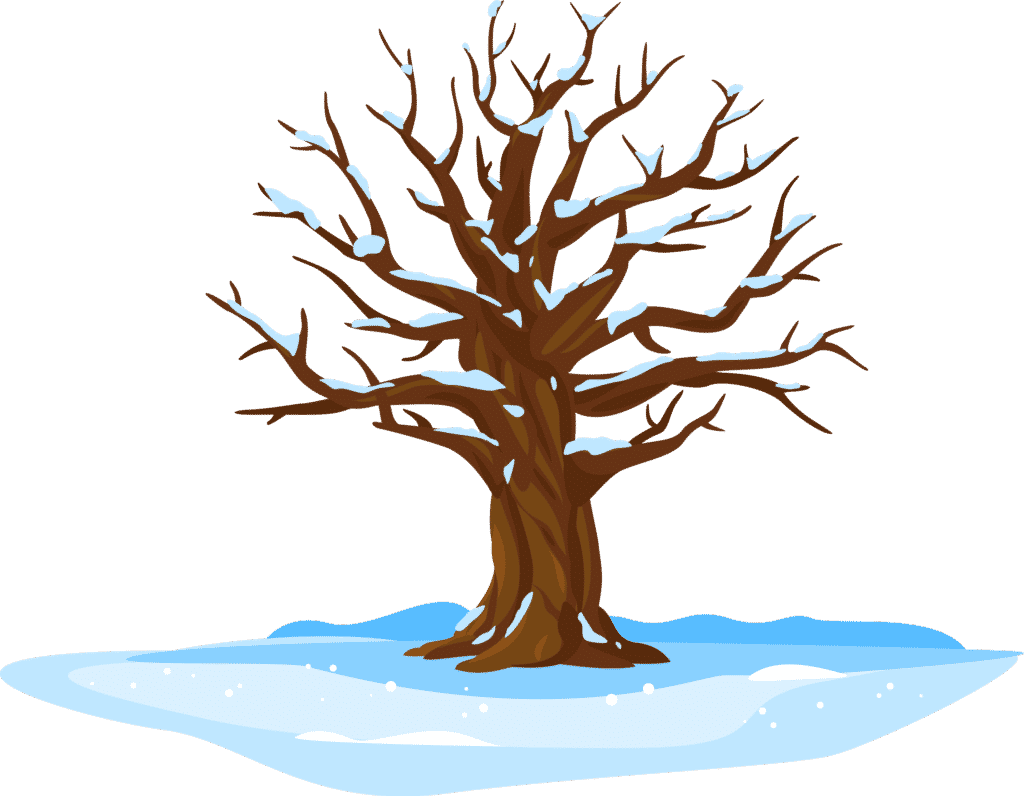
Winter might seem like the time to put away the garden tools and wait for spring, but it’s actually one of the best seasons for pruning. With the leaves gone and the tree dormant, you can see the entire branch structure clearly and make cuts that set your trees up for strong spring growth. Here’s how to make the most of winter pruning.
Why Winter Pruning Works
During dormancy, the tree’s energy is stored in the roots rather than flowing through the branches. Pruning during this period means less stress on the tree, faster wound healing when spring arrives, and no risk of interrupting active growth or fruit production. You also avoid exposing fresh cuts to the insects and fungal spores that are active during warmer months.
Temperature Matters
Do not prune when temperatures are below 30°F. In extreme cold, wood becomes brittle and can shatter or crack when you cut into it, causing jagged wounds that heal poorly and invite disease. Wait for a milder day, ideally above freezing with no precipitation.
What to Prune in Winter
Interior Branches
Start by standing under the tree and looking up. Find small branches near the center that don’t receive enough sunlight to be productive. These interior branches are shaded out, produce little foliage or fruit, and just compete for resources. Cut them back to the parent branch.
Shape the Exterior
Once you’ve cleaned out the interior, step back and visualize the shape you want. Cut any branches that stick out awkwardly or break the natural silhouette. Work gradually, you can always take more off, but you can’t put it back.
Dead and Damaged Wood
Winter makes dead branches easy to spot, they’re the ones without buds. Remove them completely back to living wood. Also cut away any branches damaged by ice storms or wind.
Trees That Benefit Most From Winter Pruning
- Fruit trees: Apple, Cherry, Pear, and Peach trees all respond well to late-winter pruning
- Deciduous shade trees: Maples, Oaks, Elms, and Sycamores
- Ornamental trees: Crabapple, Dogwood (after bloom), Redbud
Avoid winter pruning on spring-blooming shrubs like Lilac, Forsythia, and Azalea, they’ve already set next year’s flower buds, and cutting now means no blooms in spring. Prune those right after they finish flowering.
Ready for Spring
A well-pruned tree in winter is set up for a strong growing season. The cuts you make now will heal quickly when sap starts flowing in spring, and the improved airflow and light penetration will reduce fungal disease problems throughout the year.
For more detail on timing and technique, read our spring pruning guide and our general pruning guide with tool recommendations.















Pingback: Quick and Easy Guide to Pruning Trees - StumpBustersLLC