Topsoil & Seed
Restoration
Fill the void. Level the spot. Lay grass seed. Done right, the spot blends back into the lawn. Available standalone or paired with a grind.
Most homeowners don't actually need it, and we'll tell you that before quoting.
Yes, We Take
Restoration-Only Calls
Plenty of folks find us not because they need grinding, but because they have a sunken spot, a bare patch, or a dead zone the rest of the lawn just won't grow over.
Restoration as a standalone job means real materials, real prep, and real follow-through. Here's exactly what goes into a typical medium-spot job, and what it costs.
Screened topsoil. Premium grade, with no rocks or construction debris mixed in. Material cost alone runs about $130 per yard, and a medium stump spot takes a full yard.
Pennington Rebel Tall Fescue, sun/shade blend. A 40 lb bag runs about $90. Between PA's cool-season window and the partial shade in most yards, seed has a tough job here. Rebel is built for exactly that.
Heavy oversow. We drop seed like a hot skillet, well above the bag rate, because germination's never 100% and it's worth the few extra dollars to be sure something takes.
Straw cover + watering plan. We go over the watering schedule with you before we leave, and it's spelled out right on this page, so the seed has a real shot at establishing.
Pricing varies by spot size, access, depth of fill needed, and how many spots are addressed in one visit. Larger areas, multiple spots, or full sections priced separately. Send photos for a free quote, or book an onsite visit with a $35 deposit credited toward the job.
Every restoration quote starts with a walkthrough of:
- Whether your spot actually needs restoration at all
- The exact topsoil and seed going in, and why they fit a PA lawn
- Grading, so the spot doesn't pond water
- Straw cover and the watering schedule
- What happens if the seed doesn't establish
The Honest
Answer
Most stump grinding jobs don't need topsoil and seed.
Here's why: when we grind, the cutter wheel works the stump down through the root ball while the native soil from underneath rises up through the debris. By the time we haul the grindings away, the hole is largely filled with the original subsoil the tree's roots were growing in. A few loose chips settle in at the top, the area is shallow enough to rake flat, and grass seed scattered over it usually takes within a season.
For most residential stumps in a healthy lawn, that's it. You don't need to pay for fill that nature already provided.
Topsoil & seed makes sense if:
- The stump was massive: over 24″ across with deep root spread that left a real depression after grinding
- Multiple stumps were ground in close proximity, leaving a connected low spot in the lawn
- The tree was diseased (root rot especially) and the grindings had to be hauled aggressively, taking more soil than usual
- You want immediate green-up instead of waiting a full growing season for the area to recover
- The spot is highly visible: front yard, near a walkway, or a property being prepped for sale
- You're planning to install something on the spot, like sod, a flower bed, or new landscaping
You can skip it if:
- The stump was small or mid-sized (under 18″ diameter) in a healthy lawn
- The spot is in a back corner of the property where minor unevenness isn't a problem
- You're patient enough to wait a single growing season for the area to fill in naturally
- You already have grass seed and don't mind doing the spreading yourself after the grind
- The area is going under mulch, gravel, or a new bed anyway
We'll tell you which situation you're in before quoting anything extra.
How
It Works
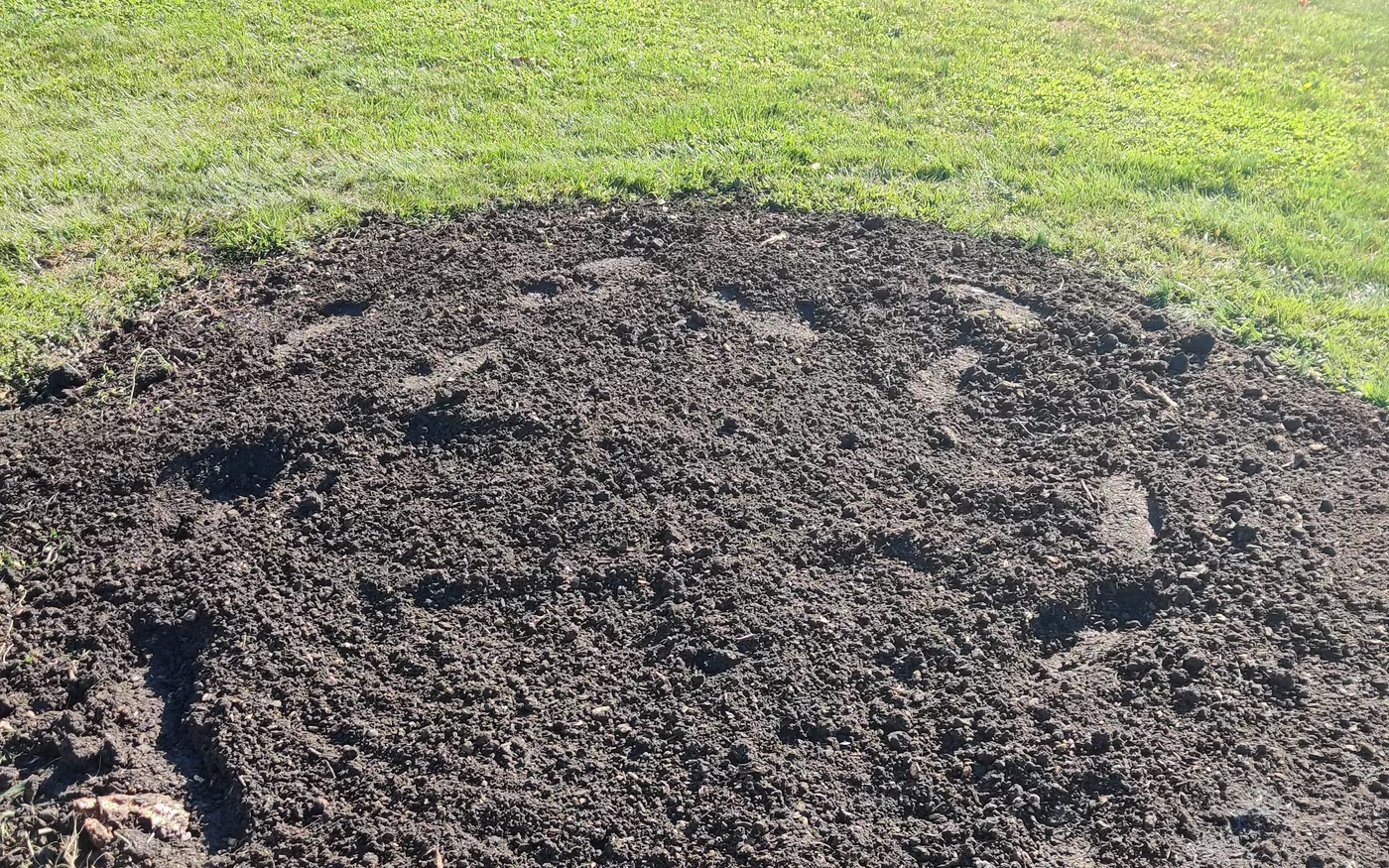
Quality topsoil placed in the void left by the stump removal. Tamped to compact and prevent settling.
Surface graded flush with surrounding lawn. Slight crown if settling is expected, so it doesn't end up a divot.
Cool-season grass seed appropriate to central PA lawns scattered over the topsoil. Light starter cover if conditions warrant.
After we leave: water lightly daily for the first 10–14 days, then taper to every other day until the seed is established. Keep foot traffic off the spot for the first three weeks if possible.
When To
Schedule
Cool-season grass seed in central Pennsylvania has two real planting windows. Outside those windows germination drops off hard, so we'd rather time the seeding right than rush it.
Best results: late March through April (spring window) and mid-August through mid-October (fall window, usually the strongest in PA). If your grinding job lands outside those windows, we can place topsoil now and seed later when conditions are right, or we'll recommend you wait on both.
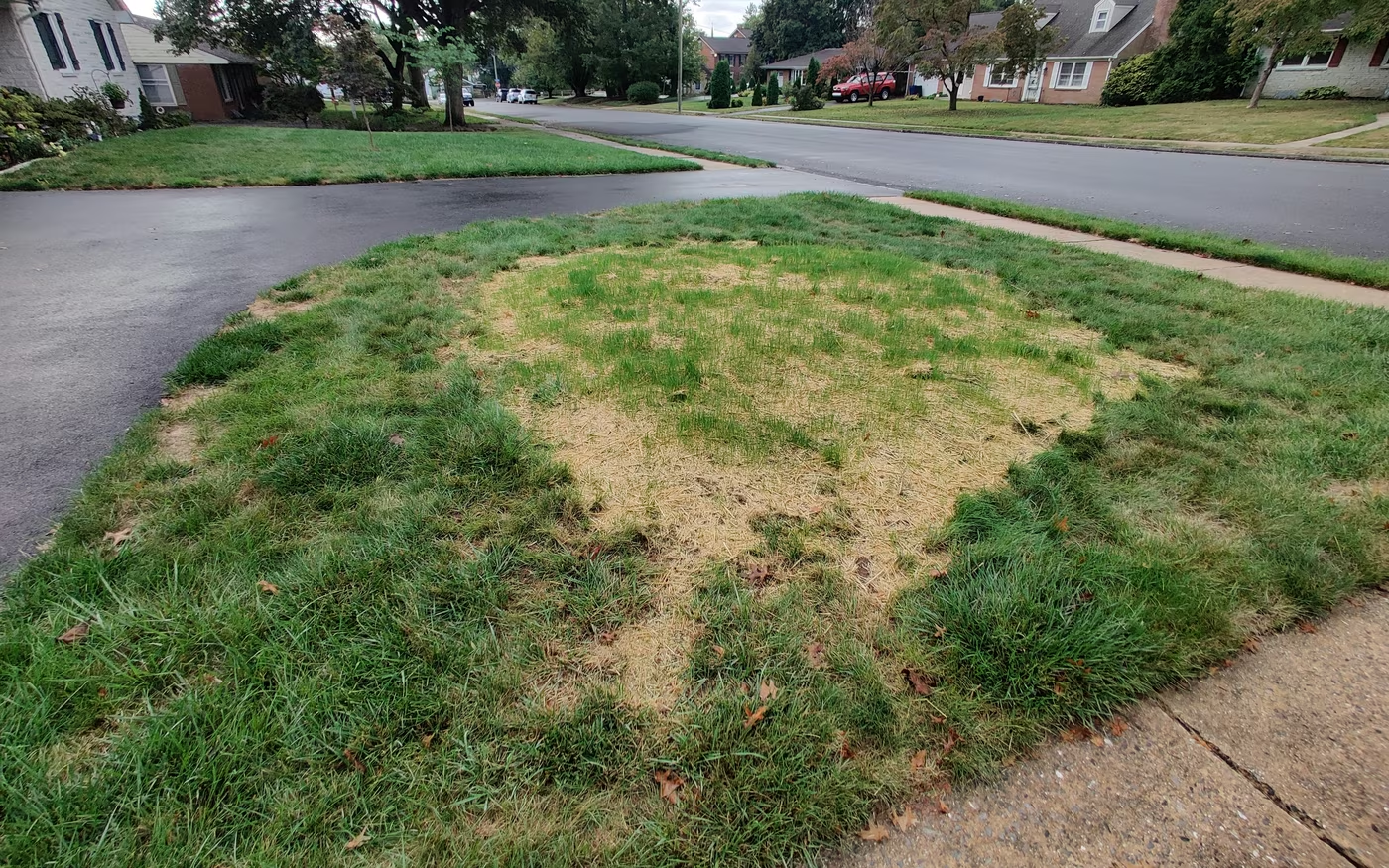
Restoring across Lancaster, Dauphin, Lebanon, and York counties.
Common
Questions
Do I really need topsoil and seed after a stump grind?
How much does topsoil and seed cost?
Can I do the topsoil and seed myself after you grind?
When's the best time to seed in central PA?
What kind of grass seed do you use?
Will the new seed match my existing lawn?
Can you do this if the stump is already ground?
How long until the spot looks normal again?
Need a Quote.
Or a Straight Answer?
Tell us about the spot. We'll tell you whether you actually need restoration, and what it'll cost if you do.