
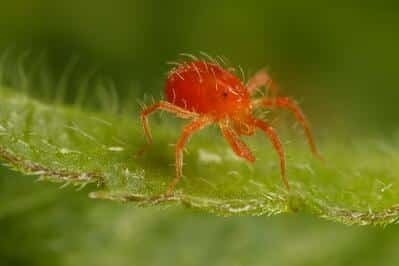
Spider mites are tiny sap-sucking pests that can wreak havoc on trees, shrubs, and ornamental plants, especially during hot, dry weather. They’re hard to see with the naked eye, but the damage they cause is unmistakable. Here’s how to identify, prevent, and treat a spider mite infestation before it gets out of control.
What Does Spider Mite Damage Look Like?
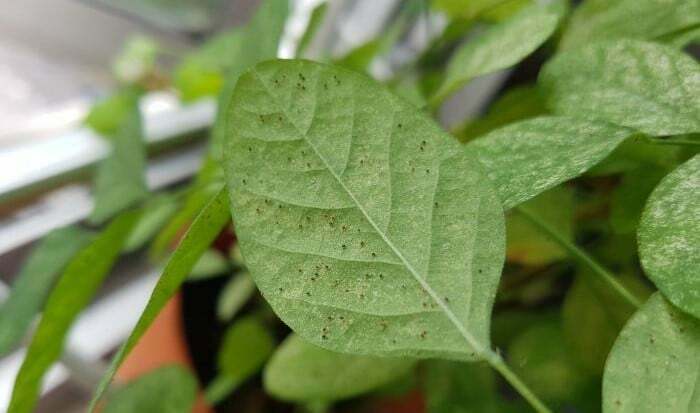
The first sign is a general fading of the green color in your plant’s leaves. As the infestation progresses, leaves develop a flecked or stippled pattern, tiny dots where the mites have been feeding. Heavy infestations give leaves a bronzed, dry appearance, and eventually the leaves die and drop off.
You’ll also notice fine webbing on the undersides of leaves and between branches. This webbing is a dead giveaway that you’re dealing with mites rather than another issue like chlorosis or leaf spot disease.
The Paper Test
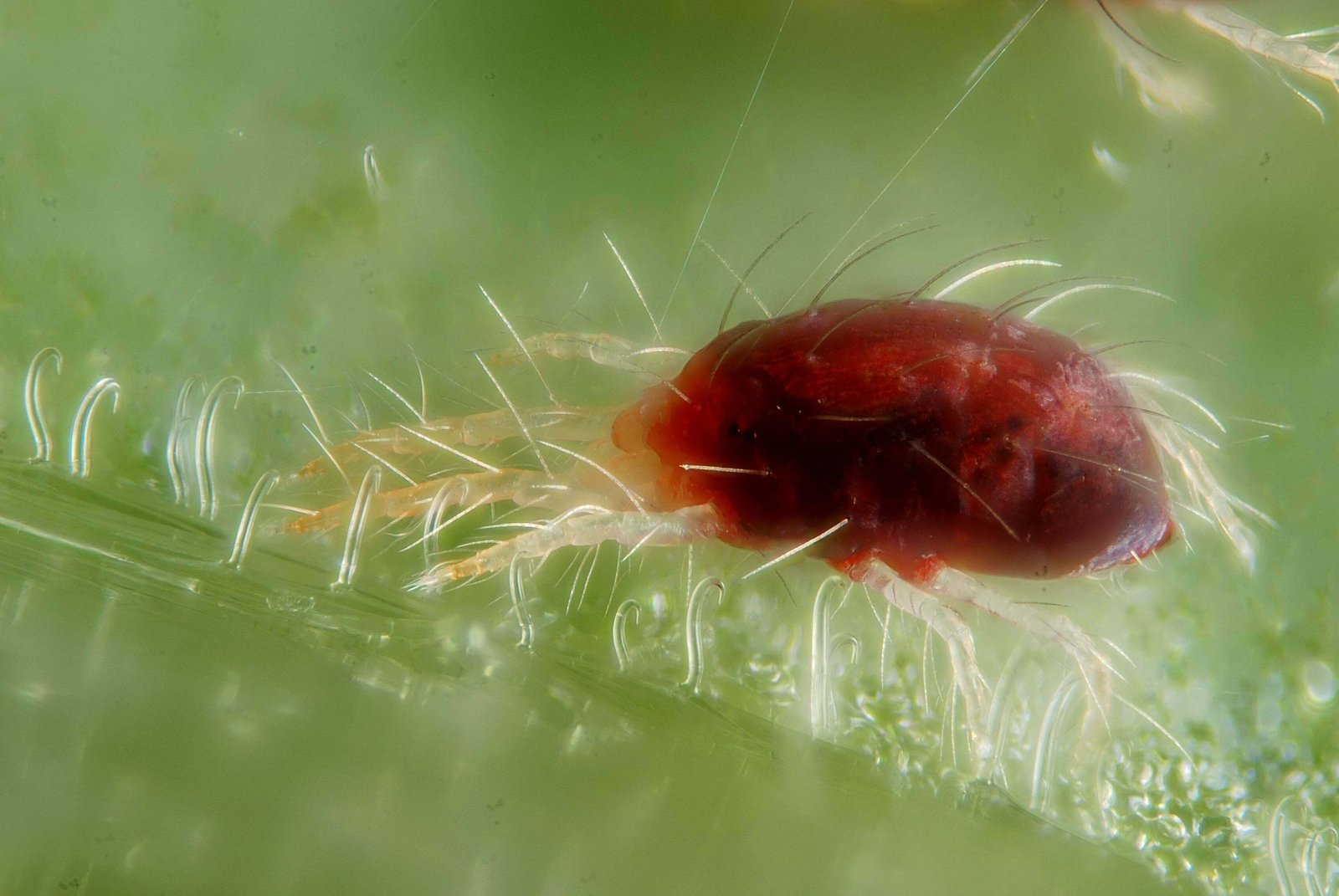
Not sure if you have mites? Place a white piece of paper beneath a branch you suspect is infested. Give the branch a firm shake over the paper. Tilt the paper to let debris slide off, then wipe your fingers across the surface. If you see tiny green, brown, or red smears, you’ve confirmed a mite problem.
Important note: if you see small red spiders that are moving quickly and are visible to the naked eye, those are actually predatory mites: beneficial insects that eat pest mites. Don’t kill them. They’re doing you a favor.
Why Spider Mites Are Hard to Control
Spider mites are incredibly fast breeders. They can go from egg to adult in as little as 5 days during hot weather, and some species produce 10 or more generations in a single season. By the time you notice the damage, the population may already be massive. That’s why early detection and prevention are so important.
How to Control Spider Mites
Prevention (Best Approach)
Mites thrive in hot, dry conditions. The best prevention is keeping your plants properly irrigated and maintaining shade where possible. Plants located against brick walls, in rock beds, or in other areas where heat builds up are especially vulnerable. Proper watering technique is your first line of defense.
Water Spray (Mild Infestations)
For bushes and smaller trees with mild infestations, a strong blast from your garden hose, hitting the undersides of leaves daily, can be remarkably effective. This destroys the webs, dislodges mites, and creates conditions that encourage natural predators to do their work.
Chemical Treatment (Heavy Infestations)
For serious infestations, a miticide combined with an ovicide (egg killer) can knock down the population significantly. One application usually won’t eliminate the entire colony, because of the rapid breeding cycle, follow-up treatments are often needed. Neem oil and insecticidal soaps are effective organic alternatives for smaller plants.
Trees Most Commonly Affected
In Central PA, spider mites commonly attack Arborvitae, Spruce, Juniper, Boxwood, and various ornamental shrubs. Fruit trees and Maples can also be affected during extended dry spells.
Keeping your trees healthy with proper care makes them more resilient to mite damage. A stressed, drought-weakened tree is always more vulnerable than a well-maintained one.















Pingback: Arborvitae: How to Plant a Privacy Screen That Lasts - StumpBusters LLC